Integrated Energy Infrastructure. Built Around Your Operation.
Vector integrates Solar PV, battery energy storage, power conversion, grid interface, energy management, metering and monitoring into one managed commercial energy platform, engineered around your site's load profile, tariff exposure, existing infrastructure and operating requirements.
Integrated Energy. Actively Managed.
Vector coordinates generation, storage, power conversion, grid supply, backup generation where included, energy management, metering and monitoring through one managed architecture. Each platform is engineered around the site's actual load profile, tariff structure, existing infrastructure and operating requirements, not a generic solar design.
- ✓Support reduced reliance on grid-supplied energy where technically and commercially appropriate
- ✓Improve energy cost visibility
- ✓Support resilience within contracted scope
- ✓Integrate with existing site infrastructure
- ✓Enable funded PPA structures for qualifying projects
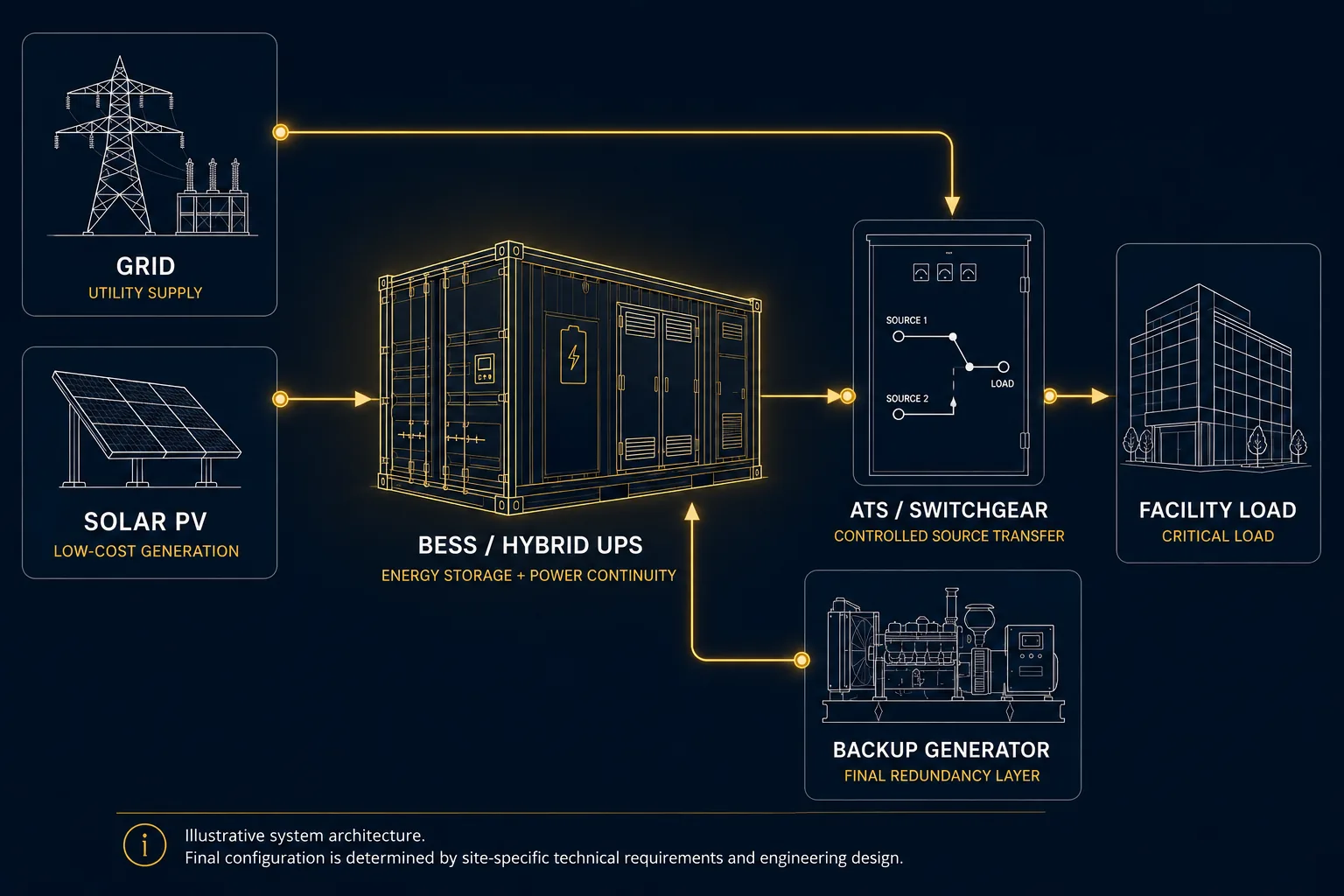
Six Technologies. One Controlled Platform.
Each platform combines the technologies required for the specific site and commercial case, engineered, integrated and managed as one coordinated energy system.
Commercial Solar PV
Ground- and roof-integrated solar generation engineered around the site's demand profile, available infrastructure and operating requirements.
Battery Energy Storage / BESS
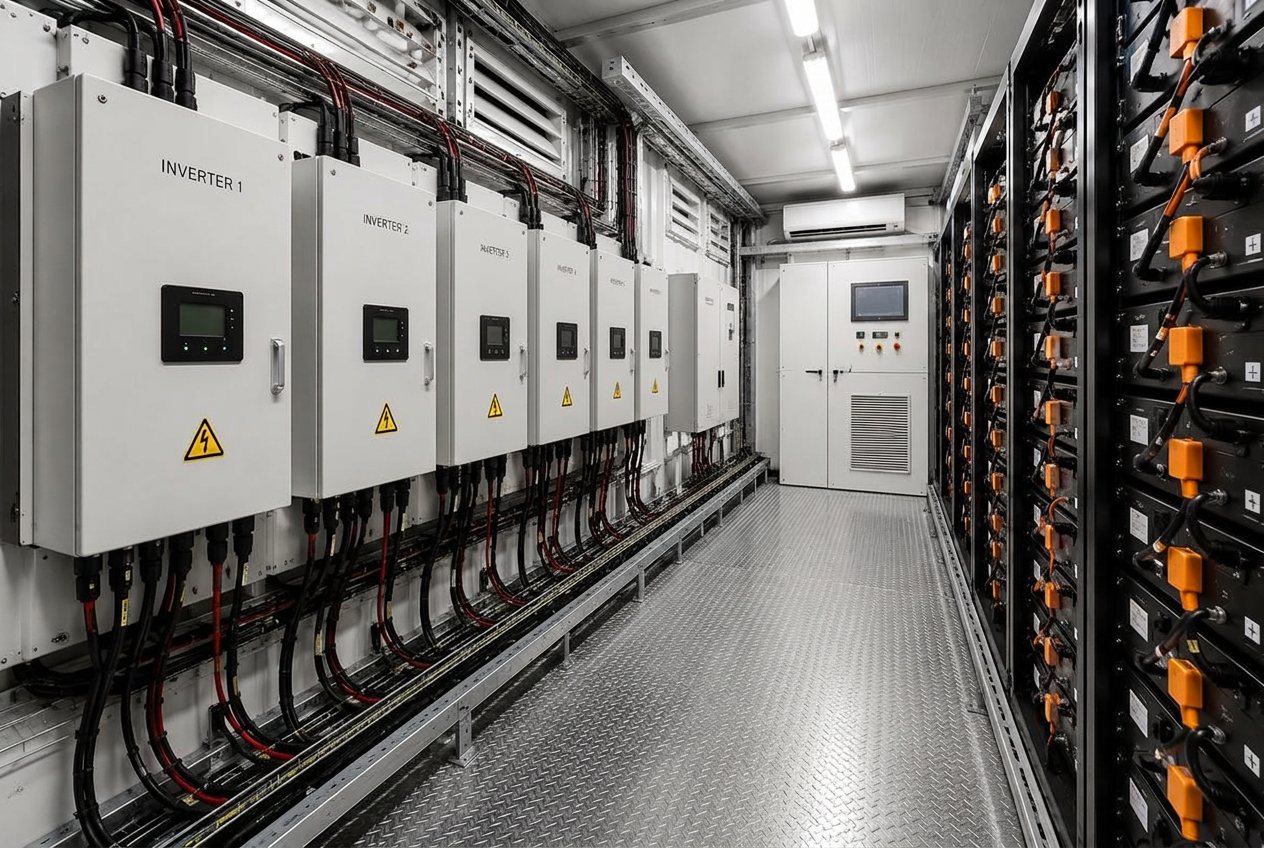
Battery storage used for load shifting, peak-period support, tariff optimisation, operational flexibility and conditional resilience, subject to system capability, operating conditions and contracted scope.
Hybrid UPS / Power Conversion
Controlled power-conversion architecture integrating available energy sources to support selected loads and supply quality within the contracted design.
Grid Interface & Grid-Tied Systems
Grid interface, interconnection, protection and compliant integration of the site's energy infrastructure with the electrical network.
Energy Management
Site-wide monitoring, dispatch, load balancing and control to manage energy performance across the integrated platform.
Metering, Monitoring & Reporting
Revenue-grade metering, operational monitoring, performance visibility and ongoing energy reporting throughout the agreed commercial term.
One Integrated Architecture.
Multiple Energy Sources.
Traditional grid-tied solar systems operate in parallel with the utility. Vector's platform is structured around controlled conversion, storage, energy management and grid-interface design so available energy sources can be coordinated as one operating system. Final resilience, backup and continuity outcomes depend on site conditions, available energy sources and contracted scope.
Generate
Solar PV produces site-level renewable energy.
Store & Support
BESS stores and dispatches energy to support load management, tariff management and conditional resilience requirements where included in the system design.
Convert & Control
Hybrid UPS and power-conversion architecture manage how energy is supplied to selected loads.
Interface
Grid-tied systems and protection equipment connect the platform safely and compliantly to the site and utility network.
Measure
Revenue-grade metering and monitoring provide the basis for billing, verification and operational reporting.
Operate
Vector operates and maintains the contracted infrastructure through the agreed term.
We Work With Existing Site Infrastructure.
Vector does not treat every site as a blank slate. Existing solar, generators, LV rooms, switchgear, metering, backup systems and electrical constraints are assessed before the final platform is structured.
- ✓Existing solar systems assessed for integration where appropriate
- ✓Backup generators may be retained and coordinated where scoped
- ✓LV rooms, switchgear and metering reviewed as part of the design
- ✓Infrastructure is upgraded or integrated where technically and commercially suitable
- ✓Installation planning considers operational disruption and site access
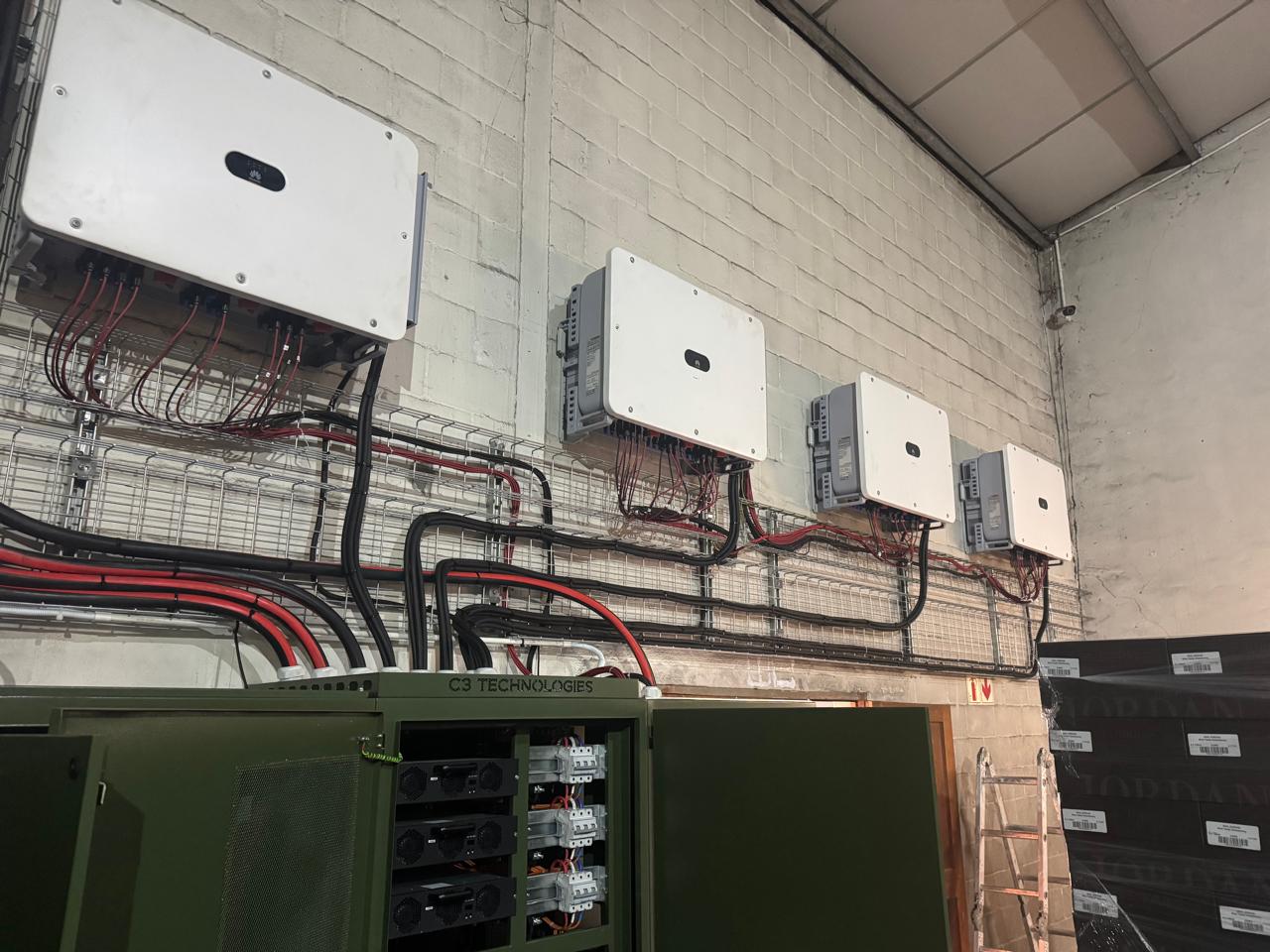
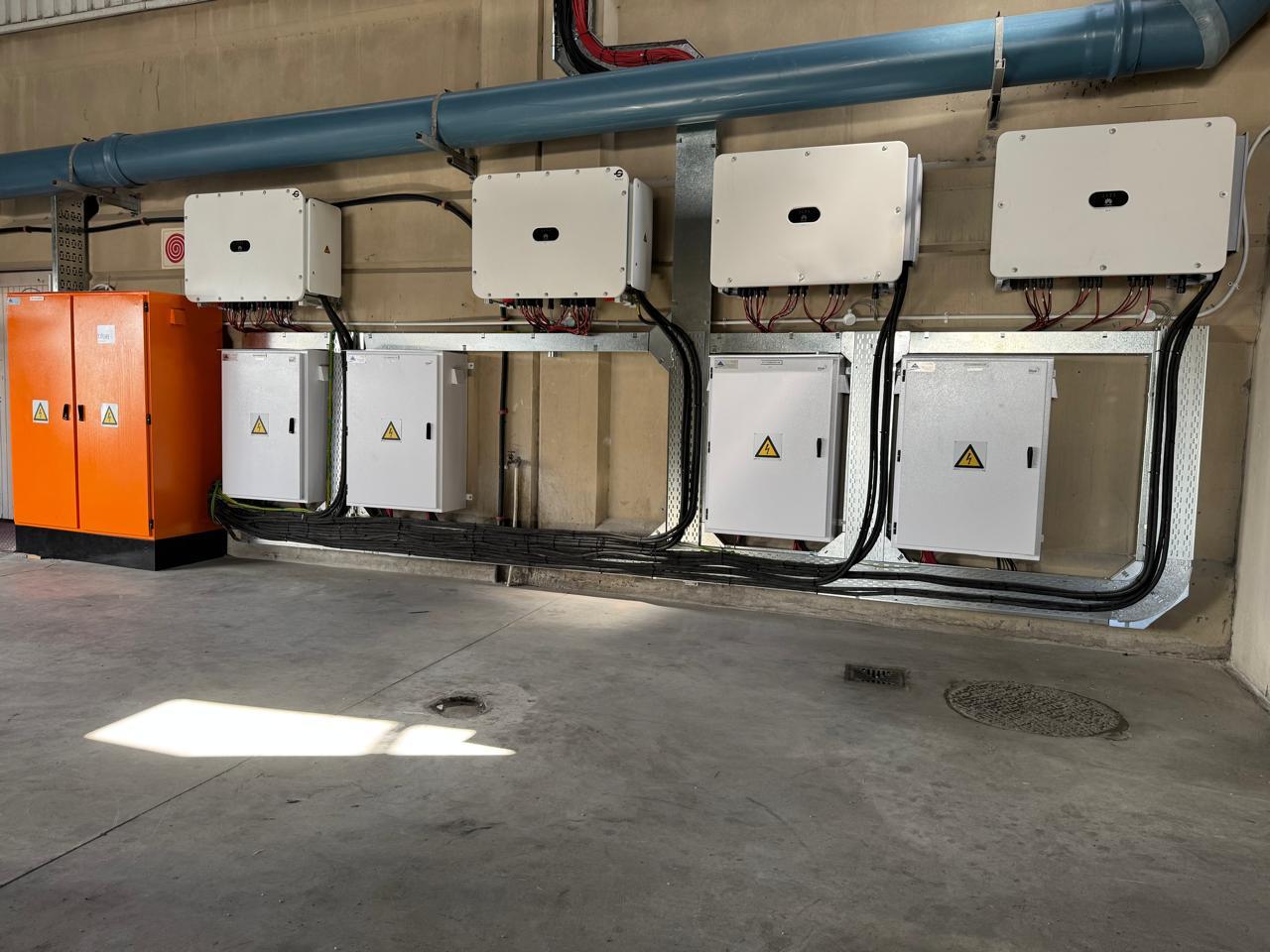
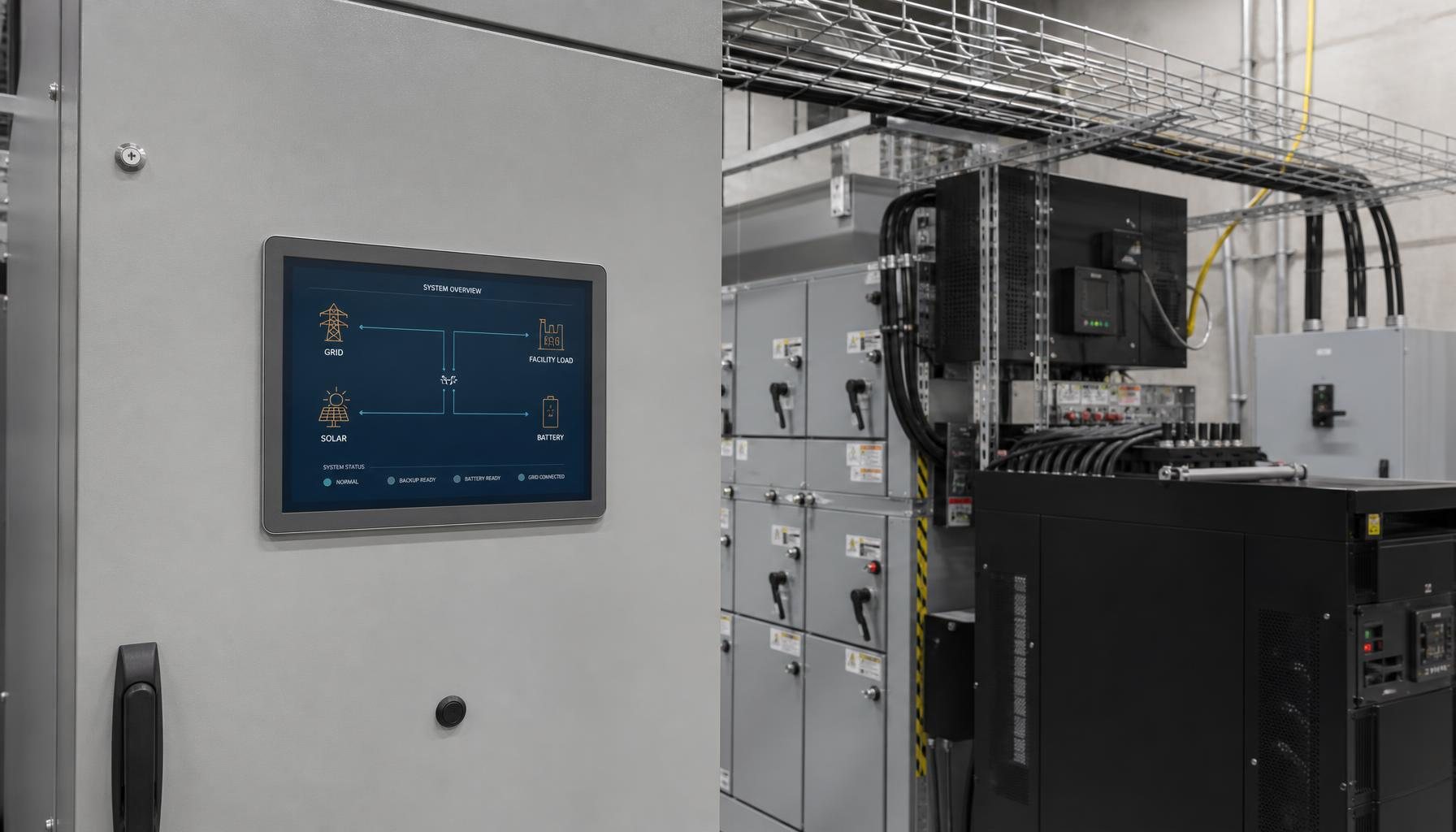
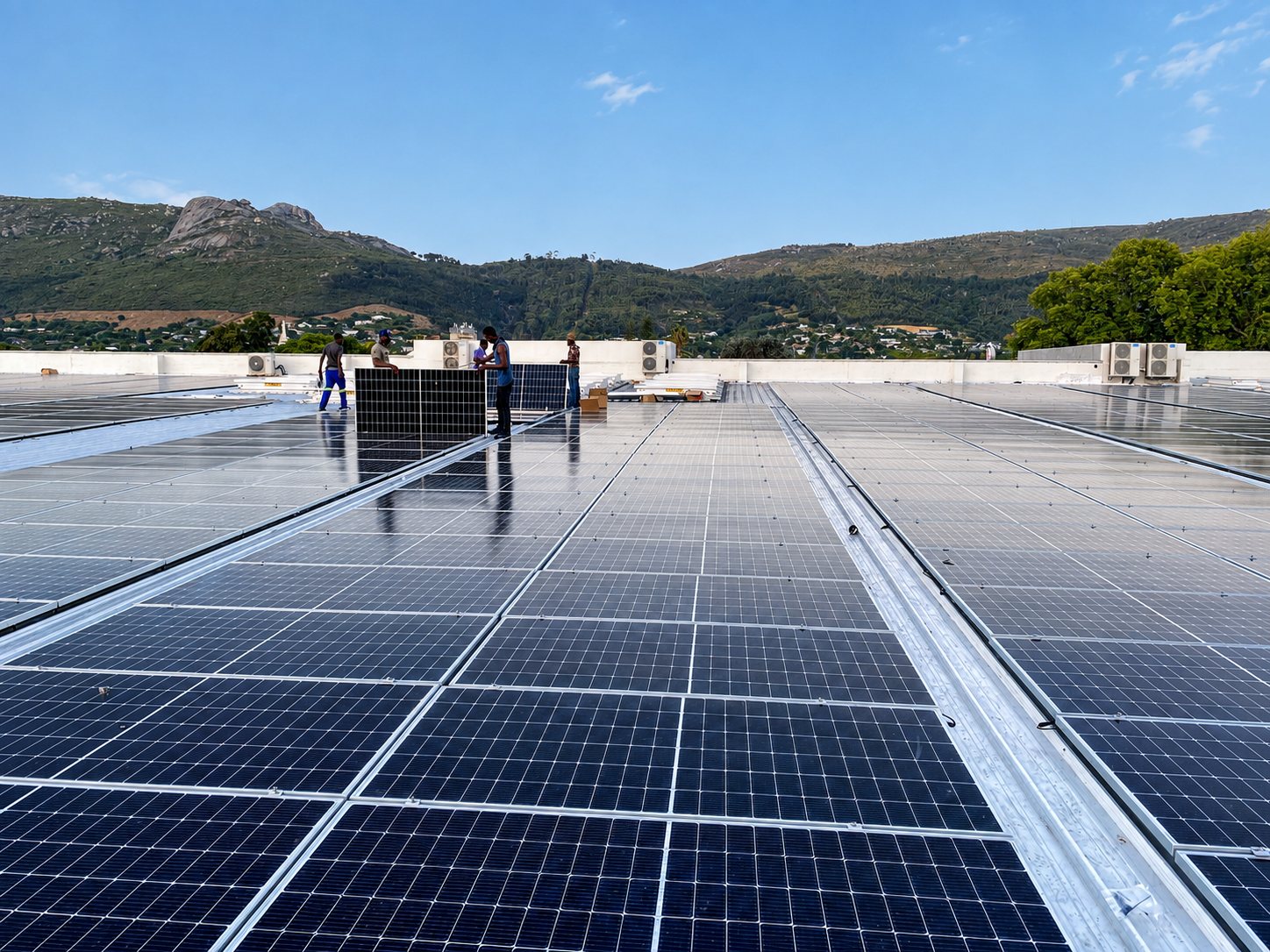
Real Infrastructure Modules.
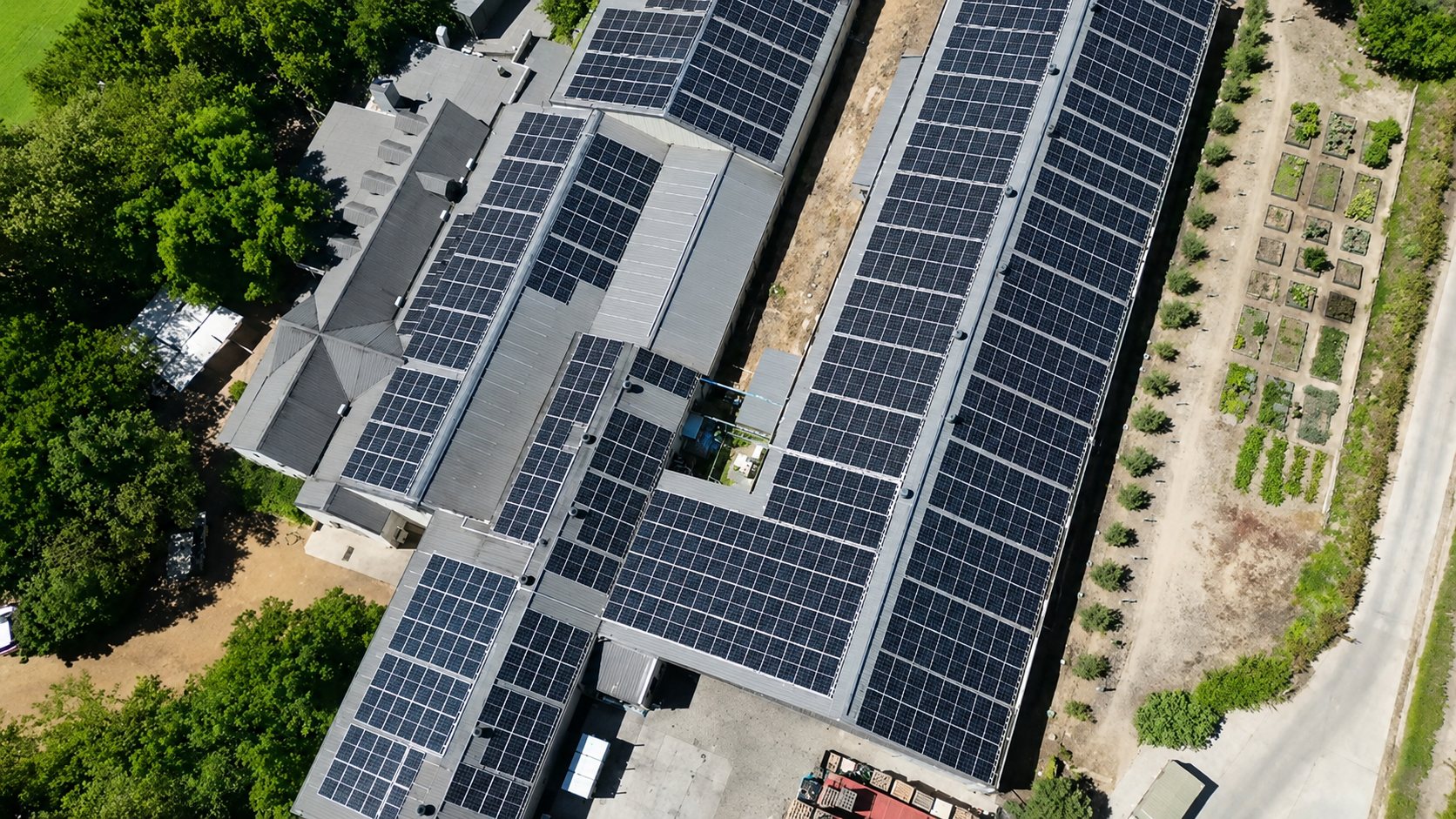
Supporting modules of Vector's commercial energy platform, captioned by module type, used as technical reference imagery, not as project case studies.
Funded Infrastructure. Metered Energy Supply.
For qualifying projects, Vector structures funded commercial energy infrastructure under a long-term Power Purchase Agreement. Project funding, ownership and asset-holding arrangements are defined in the approved project structure and documentation, while the client purchases metered energy in accordance with the site-specific PPA rather than purchasing the infrastructure upfront.
- ✓No upfront equipment purchase for qualifying funded projects
- ✓Long-term PPA structure
- ✓Metered energy supply
- ✓Infrastructure operated and maintained through the agreed project structure
- ✓Subject to project approval and final documentation
Clear Commercial Boundaries.
Vector's platform is designed to improve energy control, resilience and commercial visibility, but every project depends on site conditions, final design, utility interface, contracted scope and funding approval.
Scope & Eligibility
Where Vector's Platform Applies, and Where It Does Not.
- Funded solutions are not automatically available to every site.
- Savings and tariff outcomes are not guaranteed.
- Backup duration, islanding and continuity outcomes depend on final system design and contracted scope.
- The platform does not remove the need for the site's utility connection or other continuity arrangements unless expressly scoped and contracted.
See The Platform In Operation.
Jordan demonstrates Vector's integrated platform approach in an operating commercial environment, combining Solar PV, battery storage, Hybrid UPS / power conversion, grid interface, metering and monitoring within an integrated energy system.
Explore the Jordan Project →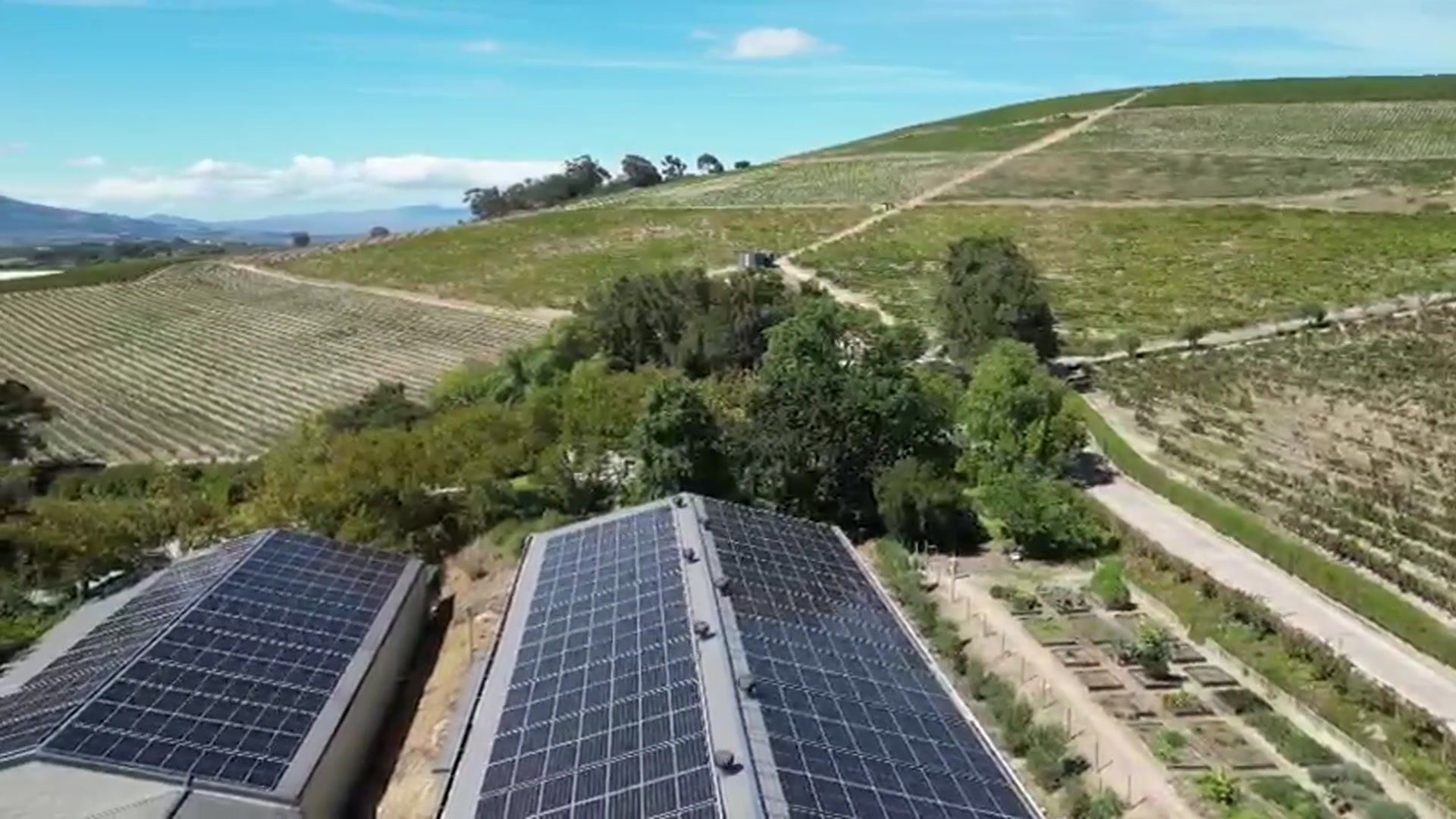
Jordan Wine Estate
- 490 kWp Solar PV
- 645 kWh Battery Storage
- Hybrid UPS System
- Jordan, Stellenbosch
- Operational
Start With The Right Site Assessment.
Choose the route that fits where you are.
Request a commercial energy assessment. Vector will review your load profile, tariff exposure, continuity requirements and funding suitability to determine whether a funded infrastructure solution may be appropriate.
Funded solutions are available to qualifying projects and remain subject to technical, commercial, credit, property, regulatory and funding approval. Final scope, pricing and terms are determined through site-specific assessment and approved project documentation.